When it comes to home automation, wired devices hold their own when it comes to reliability. If you want consistent performance without the hassle of dropped signals, going wired is a great option. With these devices, you'll notice a solid connection that won't waver just because someone walks by or the Wi-Fi router is in another room.
One big plus of wired devices is their speed. They often provide faster data transfer compared to their Wi-Fi counterparts. This means your smart home setup can respond quickly, whether you’re turning on your lights, adjusting your thermostat, or streaming content. You won’t have to deal with frustrating lag times or connection issues.
Plus, wired devices are generally less prone to interference. Things like walls, other electronics, and even your neighbor's Wi-Fi can mess with wireless signals. With a direct connection, you skip all the annoying distractions and get a cleaner, clearer line to your devices.
Wired devices might involve a bit of upfront setup — like running cables and connecting everything — but many people find it worth it for that peace of mind. If reliability is your main priority, these devices are a solid choice that won't let you down during movie night or when you want to check the security cameras from your couch.
Wifi Devices for Flexibility and Convenience
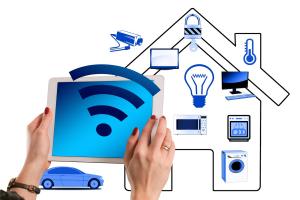
WiFi devices bring a whole new level of flexibility and convenience to home automation. With these gadgets, you can control everything from lighting to security cameras, all from your smartphone or tablet. Imagine being able to adjust your thermostat without getting up from the couch or checking your front door camera while at work. With WiFi devices, it’s all possible!
One of the biggest perks of going with WiFi devices is that you don’t have to deal with messy wires. You can set up your smart lights in the living room, smart speakers in the kitchen, or even smart locks on your doors without worrying about running cables everywhere. Just connect to your home’s WiFi, and you’re good to go!
Another cool thing about WiFi home automation is the ability to control everything remotely. If you’re at work and want to turn on the lights before you get home, or if you need to keep an eye on things while on vacation, it’s super easy with these devices. Many of them have user-friendly apps that let you manage all your smart gadgets in one place.
Plus, many WiFi devices are compatible with voice assistants like Alexa or Google Assistant. Just say the word, and you can have your lights dimmed or music playing without lifting a finger. This hands-free convenience really makes life easier, especially when your hands are full!
Of course, you’ll want to consider your WiFi network’s strength and coverage. While most modern home routers handle multiple devices without a hitch, having a strong connection ensures everything runs smoothly. It’s worth it to invest in a good router or even a WiFi extender to avoid any hiccups in your smart home experience.
Key Differences Between Wired and Wifi
When diving into the world of home automation, one of the big decisions you’ll face is choosing between wired and Wi-Fi devices. Both options have their perks, and understanding the key differences can help you make the right choice for your setup.
Wired devices connect directly through cables, usually Ethernet. This means they often provide a more stable and faster connection. If you’re running a smart home with lots of devices or heavy data usage, wired options can handle it without hiccups. Plus, you won't have to worry about Wi-Fi dead zones or interference from other devices.
On the flip side, Wi-Fi devices offer flexibility and convenience. You can place them almost anywhere without worrying about cable lengths. Setting them up is usually straightforward; just connect to your home Wi-Fi, and you’re good to go. This makes Wi-Fi devices ideal for renters or anyone who doesn’t want to deal with the hassle of installation.
Both types also have their drawbacks. Wired devices can be a pain to install if you need to run cables throughout your home. Wi-Fi devices, while easy to set up, can suffer from signal issues or slowdowns if your network isn’t strong enough. Think about your home layout, your tech skills, and how much reliability you need. That’ll guide you to the right choice.
Making the Right Choice for Your Home
Choosing between WiFi and wired home automation devices can feel a bit overwhelming, but don’t worry! Let’s break it down simply. WiFi devices are super convenient. They connect to your home network and let you control everything from your phone or tablet. Imagine turning on the lights or adjusting your thermostat while curled up on the couch. Pretty cool, right?
On the flip side, wired devices often offer a more stable connection. If you live in a larger home or an area with unreliable WiFi, wired options can save you some headaches. They can handle heavy data loads without interruptions, which means you won’t face lag when trying to control your smart devices.
It’s also worth mentioning installation. WiFi devices usually win in the ease of setup department. You just plug them in, connect to your network, and you're ready to go. Wired devices, while reliable, often require some drilling and wiring, which might not be everyone's cup of tea.
Think about what’s important for your home. If you value flexibility and a hassle-free setup, WiFi might be the way to go. But if you need reliability and live in a tricky WiFi area, consider going wired. Both options have their perks, so it really comes down to your specific needs and situation.